
Your Place in History is
Get ready for it
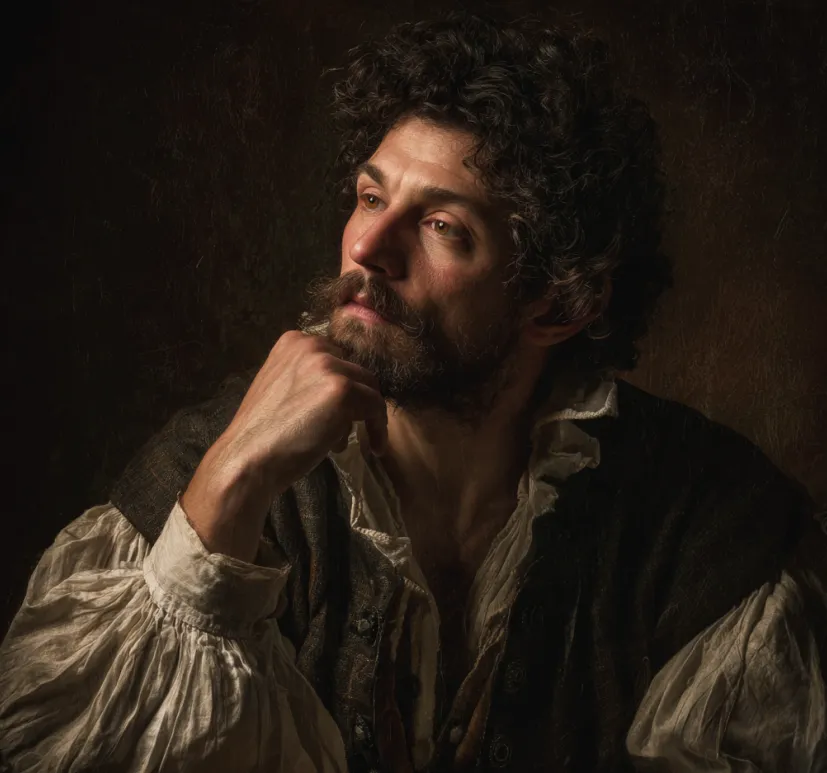
In that never-ending cycle of the generations of humanity, every individual, even you, is of little consequence. We live our lives. We affect the lives of others around us. Our dreams, our choices, ripple forward, minutely altering humanity’s trajectory. And then we die. Those that continue to live will remember us. And when they die, so will any remaining memories of us die with them.
Ecclesiastes, certainly my favorite book in the Old Testament, was written sometime between 450 and 200 BCE, which is about 120 generations ago. Around that time, Socrates, Alexander the Great and Scipio Africanus walked the Earth. Since then, nothing really has changed. The truths remain the same:
What has been will be again,
what has been done will be done again;
there is nothing new under the sun.
Is there anything of which one can say,
“Look! This is something new”?
It was here already, long ago;
it was here before our time.
No one remembers the former generations,
and even those yet to come
will not be remembered
by those who follow them.
Years ago, I was presenting these ideas during a seven-minute Toastmasters speech, and my audience found this concept depressing. Really? Did they really think their lives mattered? Every thought we have, every desire we have, every action we take, has been thought, desired, acted upon countless times throughout the ages. In light of that, why should we matter? It is amazing to me how we are able to maintain such fantasies about our importance.
Even the famous among us, our politicians, athletes and movie stars, not to mention writers, will all be forgotten in time—most of us within a generation or two after our deaths. For a very few of us, our names will be remembered, perhaps our achievements, but knowledge of who we really were will vanish. We all know who Alexander the Great was, but do we know whether he liked to tell jokes or sing songs? Or what type of people really bothered him? We don’t have a clue about his actual person. All that remains are some stories of things he did, usually written by people who never met him.
Throughout the course of human history, it is not just individuals, but even societies, cultures and nations also, that are born, struggle, thrive, die and are forgotten. Most history has been forgotten and lost.
Even the Great Cities are Forgotten
The city of Nineveh was mentioned in the Book of Genesis, where it says Nimrod built it. It became the capital of the Assyrian Empire. The Book of Jonah describes Nineveh as an “exceedingly great city of three days’ journey in breadth,” whose population was more than 120,000.
Nineveh was the largest city in the world for about fifty years, until the year 612 BCE when it was brutally sacked by its former subject peoples. When Xenophon (c. 403–355 BCE) passed the city with his Greek soldiers 250 years later, the city was abandoned and the people living nearby didn’t know anything about it, not even its name.
Xenophon described the great ruins as:
a large undefended fortification near a city called Mescila. . .The base of this fortification was made of polished stone in which there were many shells. It was fifty feet broad and fifty feet high. On top of it was built a brick wall fifty feet in breadth and a hundred feet high. The perimeter of the fortification was eighteen miles.
Xenophon never realized that the city he passed was once the heart of the great Assyrian empire.
In the 1,500-year span covered in Gibbon’s Decline and Fall of the Roman Republic, tens of thousands of cities, communities and peoples who lived, thrived, loved and suffered perished and have been forgotten, even by historians—the very people who are supposed to remember. Tens of thousands of towns and cities have been abandoned to dust. Today, it is as if these peoples and communities never existed.
If towns, cities, even great cities like Ninevah, were forgotten by succeeding generations, why would we think we mere individuals would be remembered by posterity?