
Why Professional Wresting Matters
It Actually Does
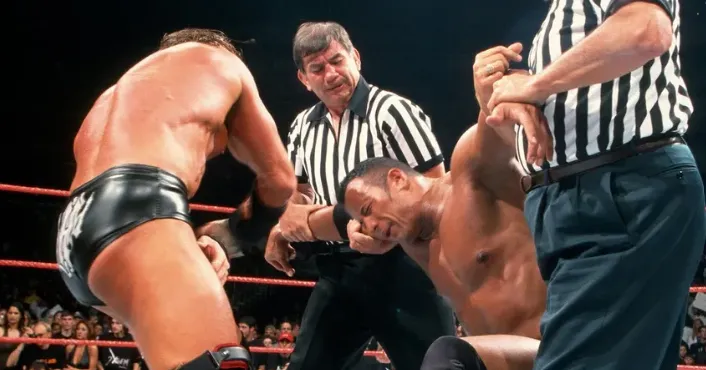
Professional sports pits two teams or individuals against each other, and usually the better one wins. That predictability often makes for boring contests: just skill, some luck, and little real drama.
Professional wrestling thrives on drama. Rules shift mid-match, get broken outright, people behave irrationally, outside forces meddle—and in all that chaos, anything can happen. The best often does not win. This is how life is.
Wrestling is special because it reflects life as it actually is: unfair. I’m not saying unfairness is good—far from it—but fairness is the exception, not the rule. Traditional sports, by enforcing strict equality of rules and opportunity, create an artificial world unlike the rest of our lives. Wrestling, on the other hand, feeds something deep inside of us, because it reflects the struggles we face in real life.
I remember around 2000 when The Rock chased the WWF Championship. Match after match he was clearly the better wrestler, yet they kept stealing the matches from him. The McMahon family handed his opponents every advantage—biased referees, run-ins, restarts. Whenever victory seemed close, heels swarmed to beat him down. For weeks it felt hopeless. It was rigged. That’s how many of us experience life: we work hard, give everything, and still come up short. The big breakthrough never arrives. The deck is stacked against us.
But one night The Rock finally won. I was stunned. Tears streamed down my face—an adult engineer in his thirties, openly crying over a wrestling match. This victory meant more to me than any Michael Jordan buzzer-beater. No matter how dominant he was, the powers-that-be had rigged every outcome against him, just as they so often seem to in our own lives.
And yet he overcame it.
I guess I saw myself in the Rock that day: the underdog against impossible odds. If The Rock could beat a system designed to keep him down, maybe—just maybe—we can too.
That’s why wrestling moves so many of us so deeply. It’s our own lives, played out in symbolic, larger-than-life form.