
History Is Who We Are
and Why We Are the Way We Are
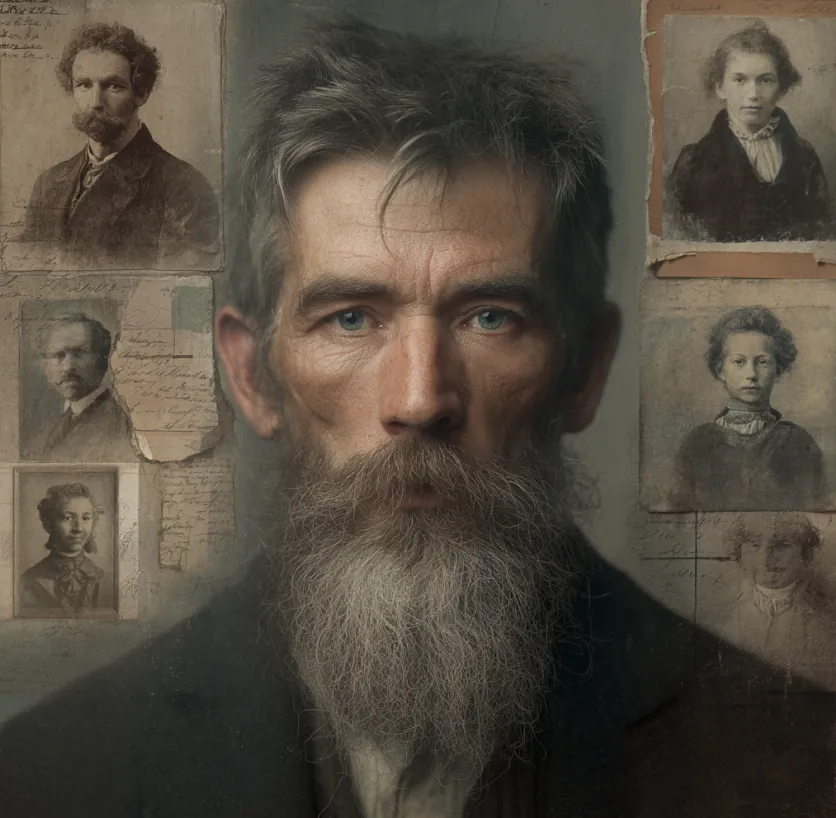
When a baby is born into a family, it is born into a world of the physical, mental, emotional and spiritual. All of these components contribute to forming the child’s outlook on the world: The home and the family’s possessions. The family’s relationship to other people, to the government, to their employers, to their god. The family’s beliefs about life and their destinies. All of these factors influence how the child thinks, what the child thinks is possible and ultimately who the child becomes. The family’s historical experience is a large determiner of the destiny of the child. But not the only influence.
On a larger scale, we are born into the human family, schooled in our collective history, infused with our society’s political philosophies, religious beliefs and general worldview, all of which combine to shape our identity and approach to living.
Our legal systems, our financial systems, our governments, our cities, our buildings, our machines, our languages, our sciences, our mathematics, our religious systems—everything devised by humanity that existed at the time of our birth—was handed to us by previous generations. These gifts from the past comprise the external and interior worlds that we navigate. Our minds are formed by and constrained by these inherited systems.
The actions of those who came before us provide the backdrop of our lives. History, then, is integral to our individual stories. It surrounds us in everything we see. It forms the majority of our worldview, of our thoughts even, although we may not realize it.
If you have ever tried to meditate, you probably noticed that your mind won’t stop thinking, at least for the first fifteen minutes. If you were able to record your thoughts, I bet that the majority of them would be linked to history. Thoughts of Jesus, Allah, driving, voting, eating cheeseburgers, what you should wear tonight, the moles eating your cucumber plants, the latest plot of a TV series, the basketball game. All of these reflections are tied to the innovations of other people, most of whom are no longer alive. Someone wrote the holy books, invented the car, developed democratic institutions, conceived the cheeseburger, etc. That is what I mean by mentally constrained—there’s hardly anything we can ponder that hasn’t been shaped by our collective past. Very few things you can think of exist outside of our shared historical legacy, other than any mystical experiences we might have been blessed with.
We think we have free will. But, as you can see, our will is constrained by our historical context. In ancient Nineveh, slavery was the poor person’s fate. Today, even the poor can strive to become a senator, a computer gamer or an astronaut, but only because earlier generations have opened those doors of possibility.
In this way, all of us who inhabit, have inhabited or will inhabit this world are inextricably linked to one another. We all affect one another. What the dead have done constrains what we can do. What we do constrains what the as-yet-unborn will do. We can only do what our history allows. The American historian David Mccullough (1933–2022) summed it up when he said, “History is who we are and why we are the way we are.”